
Structured Cabling Installation for Education: Building a Connected Campus
Key Highlights
- Structured cabling establishes a foundational network for education, supporting seamless communication and future technology integration.
- A well-designed cabling system enhances connectivity, crucial for adapting to evolving educational technologies and demands.
- Effective installation planning, including site surveys, ensures tailored cabling solutions that meet educational institutions’ specific needs.
- Ongoing maintenance and support are vital to maintaining network reliability, allowing uninterrupted educational operations.
- Structured cabling enhances campus security, enabling integration of advanced systems for comprehensive safety measures.
Understanding the Role of Structured Cabling in Education
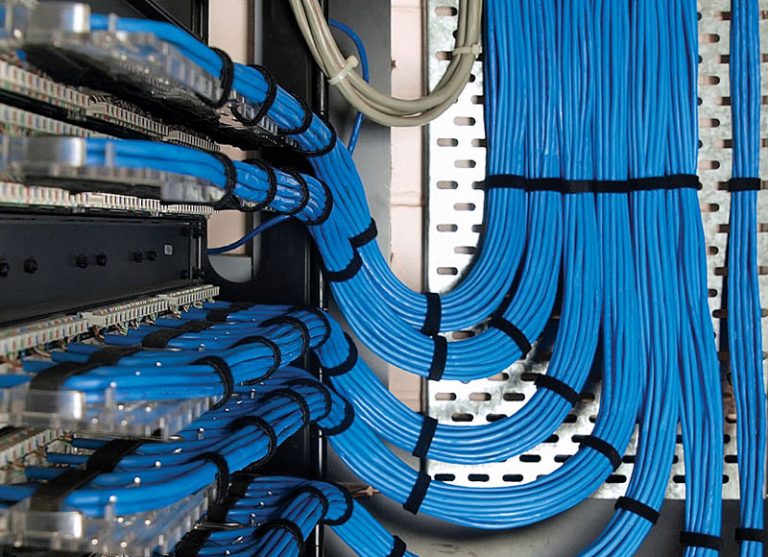
Structured cabling is pivotal in shaping the digital landscape of educational institutions. As schools and universities evolve to meet the demands of a digital age, a standardized network setup becomes essential. This section will explore how structured cabling serves as the backbone for connectivity in education, supporting seamless communication and learning experiences. We’ll dive into the key advantages structured cabling offers schools, focusing on enhancing overall educational experience and performance through reliable infrastructure.
Our Services






Planning a Structured Cabling Installation
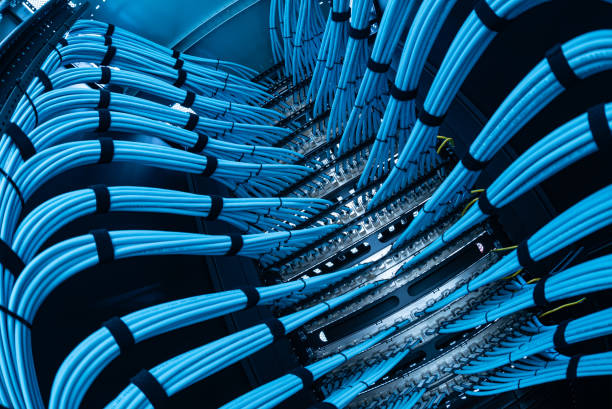
Embarking on a structured cabling installation for educational institutions is a fundamental step towards creating a connected campus. Planning ensures the network installation meets specific needs, accommodating the growing data demands schools face. Structured cabling offers a future-proof solution, embracing technological evolution. This section highlights crucial steps in the cabling installation process, focusing on key elements that make network deployment successful. By understanding these aspects, schools can partner effectively with installation services, leveraging expertise from experienced cabling contractors to build resilient and scalable infrastructures.
Service Areas
Ensuring Scalability and Flexibility Through Structured Cabling
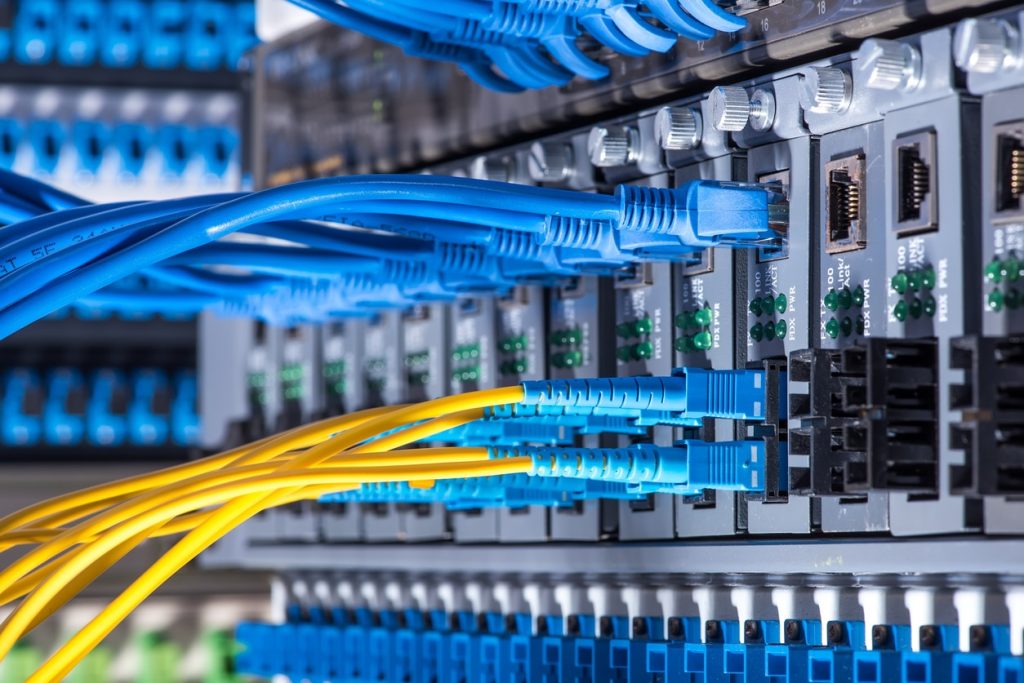
Implementing structured cabling within educational institutions guarantees a future-ready infrastructure, accommodating dynamic technological demands. By integrating this network solution, schools can seamlessly adapt to digital advancements and educational technologies. Structured cabling systems not only ensure reliable connectivity but also provide the flexibility needed for future expansions. This section discusses the importance of scalability and flexibility in tailored installations, emphasizing the ability to implement scalable upgrades that align with emerging innovations and demands in educational settings.
Industries Served

Network Cabling and Its Importance in Educational Facilities
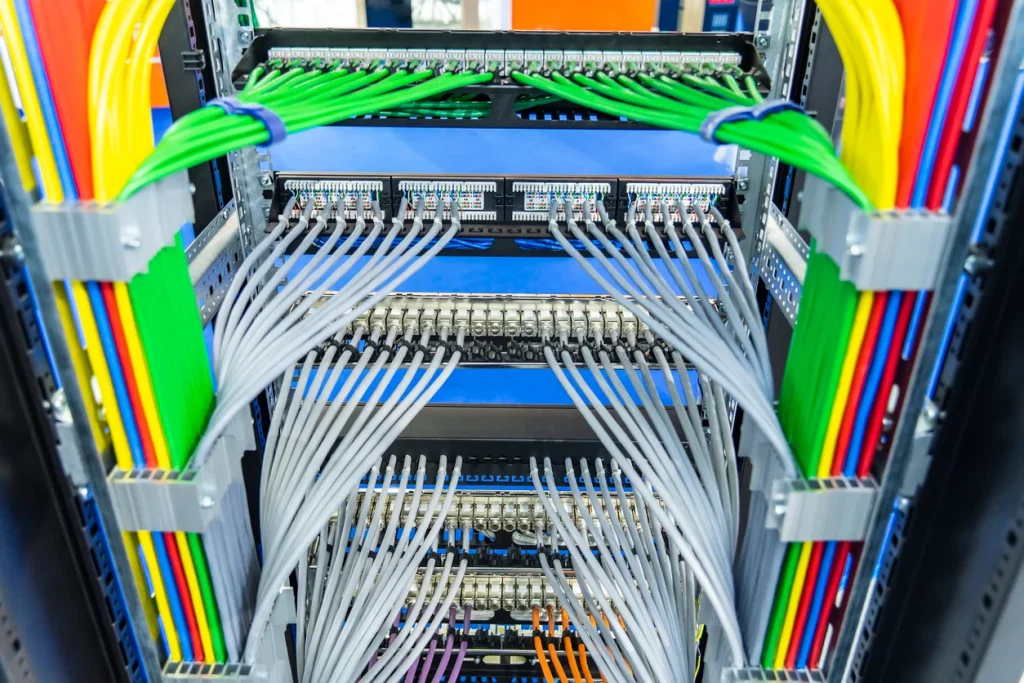
In educational settings, the role of network installation cannot be overstated. Network infrastructure acts as the backbone for every aspect of a school’s digital environment, supporting academic and administrative functions alike. The importance of data cabling spans from aiding classroom activities to streamlining institutional operations. As part of these critical cabling services, educational facilities benefit from enhanced communication and connectivity. This integration elevates the learning experience and ensures schools remain adaptable. Understanding how network cabling plays a pivotal role in education highlights its necessity for building a connected campus.
| Installation Step | Purpose | Key Considerations |
|---|---|---|
| Site Survey | Evaluate current infrastructure and identify needs | Assess compatibility with existing systems; Determine physical space requirements |
| Technology Selection | Ensure installation of future-proof technology | Consider scalability and supported technology standards |
| Design and Planning | Create a detailed plan for cabling layout and implementation | Include considerations for network traffic flow and potential expansions |
| Partnering with Contractors | Secure expert execution of the installation | Choose a reputable and experienced contractor; Confirm adherence to industry standards |
| Installation and Testing | Implement the designed network and ensure functionality | Conduct thorough testing for connectivity and performance; Ensure minimal disruption |
This table outlines essential steps and considerations for successful structured cabling installations in educational institutions, ensuring they meet current and future connectivity needs.
Choosing the Right Cabling Services for Educational Institutions
Selecting appropriate cabling services is vital for creating a connected campus in educational institutions. With the demand for robust, future-ready networks, schools require structured cabling services tailored to their specific needs. This section highlights key factors to consider when choosing cabling services, ensuring that institutions receive reliable and effective installation services. Exploring the essentials of selecting a capable cabling contractor helps schools build resilient infrastructures. By considering these factors, educational institutions can ensure that their campuses remain technologically advanced and adaptable to future changes.
Investing in structured cabling infrastructure empowers educational institutions to create a seamless and robust digital network. This foundational setup is crucial for supporting current and future technological advancements across campuses. As students become increasingly reliant on digital tools for learning, having a reliable network becomes non-negotiable. Structured cabling ensures that institutions can deploy new technologies efficiently, thereby enhancing both teaching effectiveness and student engagement. By choosing a scalable cabling solution, educational institutions position themselves as forward-thinking leaders, ready to meet any technological demand that the future holds, fostering continuous growth and innovation in the academic environment.