
Network Cabling (Cat5e/Cat6/Cat6a): Comparing Network Cables Cat6, Cat5e, and Cat6a
Network cabling forms the backbone of modern communications, powering everything from data centers to home offices. Cat5e, Cat6, and Cat6a cables each offer unique benefits that cater to different networking needs, whether for basic internet connectivity or ultra-fast data transmission. Understanding the technical specifications and capabilities of these cables helps ensure optimal performance and future-proofing. Here, we explore how these cabling solutions create efficient and reliable networks, supporting a wide range of digital infrastructures.
Key Highlights
- Network cabling, including Cat5e, Cat6, and Cat6a, forms the backbone of modern IT infrastructures.
- Choosing the right cable category is crucial for optimal performance and future-proofing of network systems.
- Cat5e cables are cost-effective, supporting speeds up to 1 Gbps with excellent data transmission.
- Cat6 cables enhance network performance with up to 10 Gbps speeds, suitable for high bandwidth requirements.
- Cat6a cables offer superior shielding and bandwidth, ideal for high-density commercial environments.
Introduction to Network Cabling
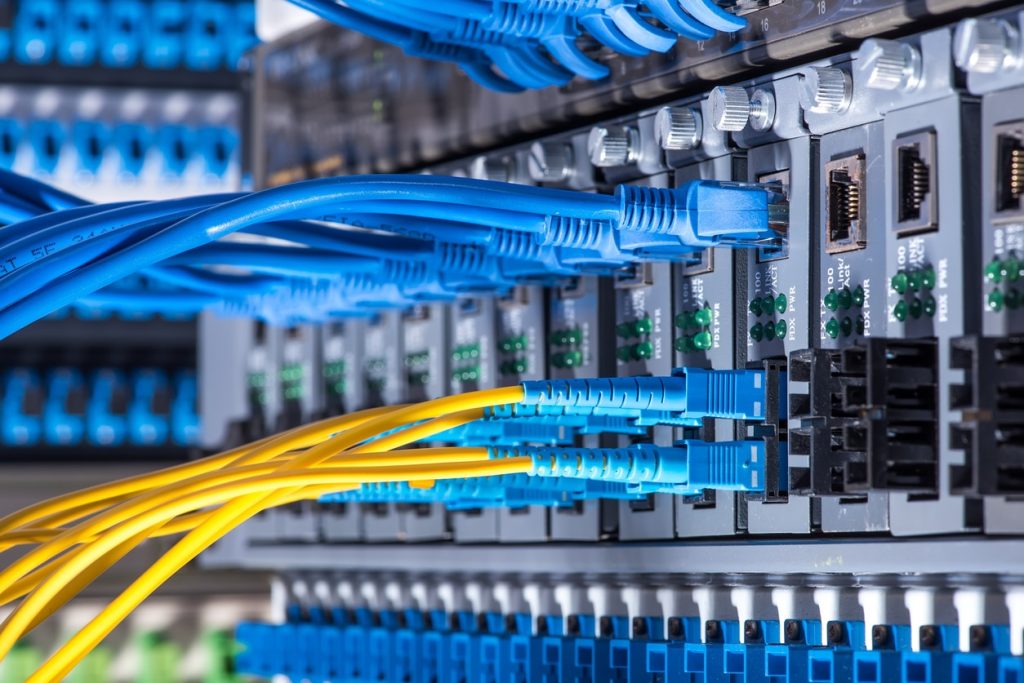
Network cabling forms the backbone of any IT infrastructure, playing a crucial role in enabling connectivity and efficient communication. With a variety of options like Cat5e, Cat6, and Cat6a available, choosing the right cable category is essential for optimal network performance. These cables differ in terms of speed, bandwidth, and overall performance, influencing how data cabling systems are designed and implemented. This section delves into the importance of selecting the appropriate cable category for your structured cabling needs, shedding light on how different cabling options can impact your network’s infrastructure and connectivity.
| Feature | Description | Benefits | Use Case |
|---|---|---|---|
| Cost-Effectiveness | Affordable network cabling option | Optimizes budgets without sacrificing performance | Ideal for small to mid-sized businesses |
| Performance | Supports speeds up to 1 Gbps | Handles robust networks with reliable data transmission | Suitable for residential and small business infrastructures |
| Construction | Primarily copper, minimizes interference | Ensures clear data signals and stable connectivity | Useful in installations needing long cable runs |
| Compatibility | Works with PoE and existing network hardware | Enables flexible and scalable network setups | Adaptable for infrastructure expansion and upgrades |
This table reflects how Cat5e cables offer a balance of cost-efficiency, robust performance, and versatile applications within diverse network settings, providing a practical solution for a variety of networking needs.
Understanding Ethernet Cable Standards
Ethernet cable standards are a critical component in modern data communication, affecting everything from connectivity to data cabling performance. With options like Cat5e, Cat6, and Cat6a, each ethernet cable standard offers different capabilities, ensuring networks meet various speed and bandwidth requirements. As network demands increase, understanding these standards becomes imperative for making informed decisions about cabling infrastructure. Whether it’s for patch cable usage or comprehensive data centers, choosing the right ethernet cables is vital. This section explores ethernet cable fundamentals, focusing on what distinguishes these standards and how they influence network performance.
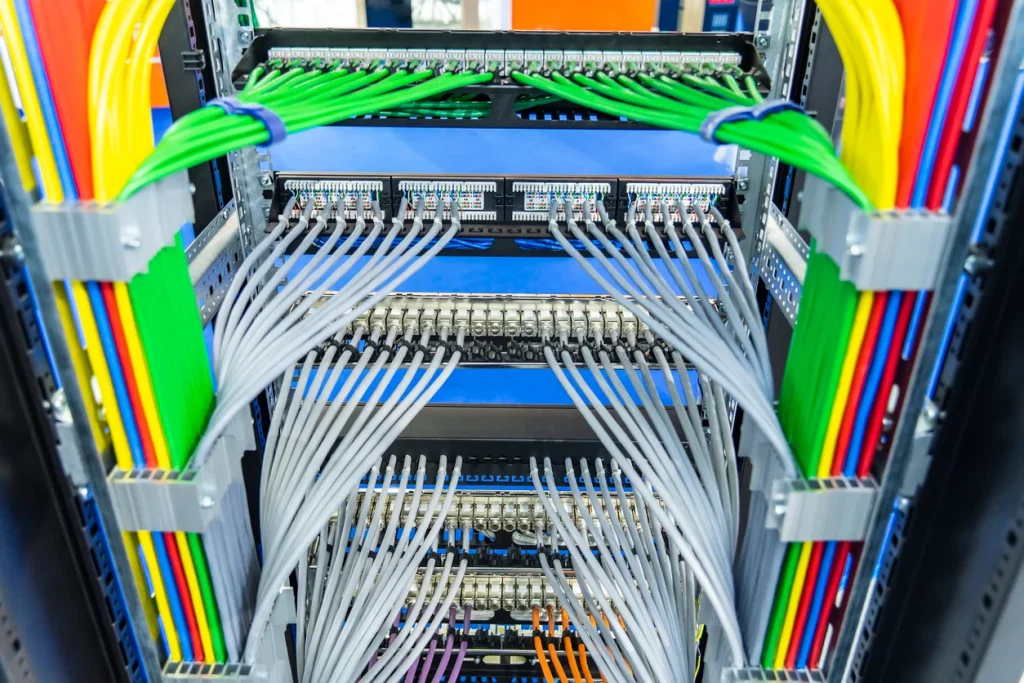
To enhance understanding of Ethernet cables, here’s a brief guide on selecting the right one for your network:
- Consider the category for your speed requirement: Cat5e, Cat6, or Cat6a.
- Evaluate your installation environment for indoor or outdoor use.
- Factor in length limitations to avoid performance loss.
- Check for compatibility with Power over Ethernet (PoE) needs.
- Assess whether copper or fiber optics is better for your installation.
- Keep in mind future-proofing for growing bandwidth demands.
Understanding these aspects of Ethernet cable selection can significantly bolster network reliability and performance.
Our Services






Features of Cat6 Cables
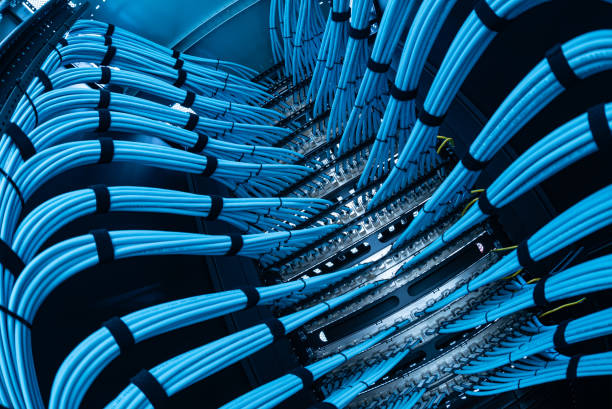
Cat6 cables represent a significant upgrade in the realm of network infrastructure, designed to meet the demanding needs of modern connectivity. Known for their enhanced performance capabilities, Cat6 Ethernet cables ensure efficient data transfer and reliability across networks of varying scales. These cables offer improvements in speed and bandwidth over earlier categories, catering to both residential and enterprise environments. The solid copper conductors within Cat6 cables, paired with improved insulation techniques, minimize interference and data loss. Additionally, their compatibility with existing network installations and support for advanced technologies makes them a viable choice for structured cabling systems. This ensures a robust network infrastructure, capable of handling future data demands with ease and efficiency.
We provide Network Cabling Installation in the following cities
Comparing Cat5e, Cat6, and Cat6a
When deciding between Cat5e, Cat6, and Cat6a cables for your network cabling needs, understanding their distinct performance characteristics is essential. Each cable type offers unique benefits related to speed, bandwidth, and network efficiency, factors crucial for designing a robust ethernet infrastructure. By exploring the performance differences and network efficiency of these ethernet cables, you’ll gain insights into which cable category best suits various data and connectivity needs, ensuring a reliable and efficient network infrastructure capable of meeting current and future demands.
Industries Served




| Feature | Performance Advantage | Applications | Benefits |
|---|---|---|---|
| High Bandwidth | Supports up to 10 Gbps | Data Centers, Enterprise Networks | Ensures future-proofing and scalability |
| Frequency Range | Up to 500 MHz | High-speed Internet, Video Streaming | Optimal data transfer rates |
| Reduced Crosstalk | Improved Noise Resistance | Busy Network Environments | Maintains signal integrity |
| Extended Distance | Up to 100 meters for 10 Gbps | Large Office Installations | Flexibility in network layout |
This table presents the core strengths of Cat6a cables, showcasing their role in robust and efficient network infrastructures.
Cable Category Selection Tips
Navigating the world of network cabling means making informed choices about the right cable category for your needs. With options like Cat5e, Cat6, and Cat6a, understanding the key factors in cable selection is vital for ensuring optimal connectivity and performance. These decisions impact not only current infrastructure but also future-proofing needs. Learn about what to consider for achieving the best network functionality through these cable types, including aspects like ether, ethernet cables, and bandwidth influences.
Understanding the differences between Cat5e, Cat6, and Cat6a cables is key to optimizing your network’s performance. Each offers specific benefits and performance attributes, catering to different environments and needs. By selecting the appropriate cable type, you can ensure that your network infrastructure supports your current requirements while accommodating future advancements. Deciding between enhanced speed, bandwidth, or cost-effectiveness can influence the efficiency and reliability of your network setup, making it essential to choose wisely based on your unique situation and prospective growth plans.